
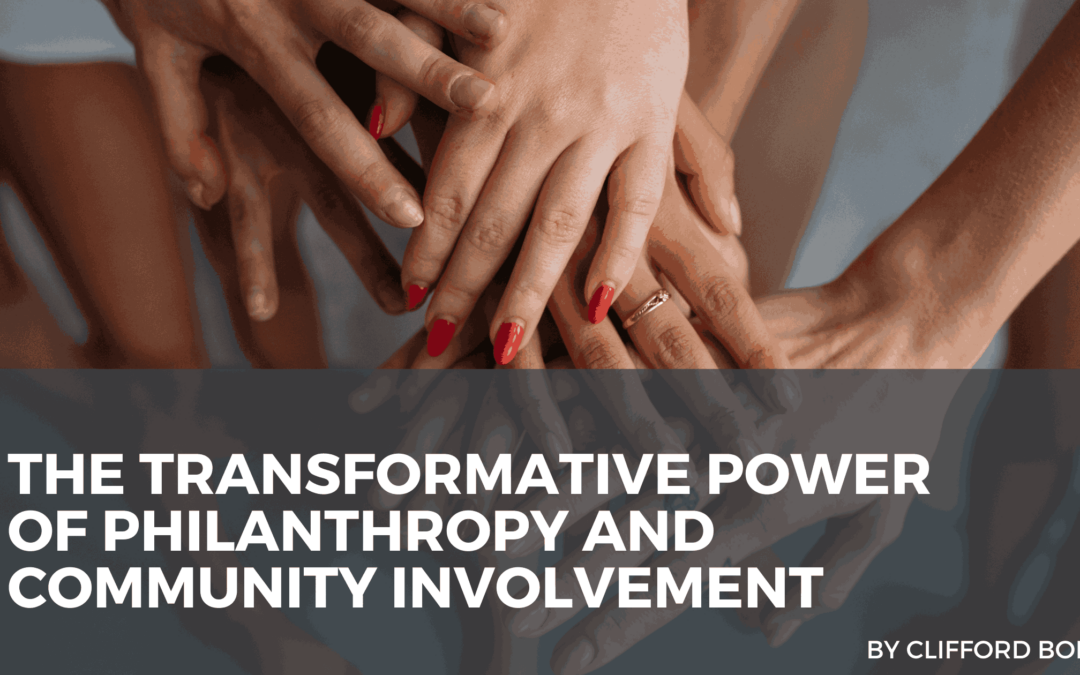
In a world increasingly interconnected by technology yet often divided by disparities, philanthropy and community involvement remain two of the most powerful ways to foster connection, equity, and progress. Whether driven by individuals, corporations, or grassroots movements, these acts of giving back are essential for building stronger, more resilient societies. At their core, philanthropy and community engagement represent a shared belief in the potential of collective action to address social challenges, uplift the marginalized, and create sustainable change.
Understanding Philanthropy
Philanthropy, derived from the Greek words philos (loving) and anthropos (humankind), literally means the love of humanity. Historically, it has been a mechanism through which individuals or groups with resources contribute to the betterment of society. While it is often associated with monetary donations, modern philanthropy encompasses much more—time, expertise, mentorship, and advocacy.
In recent years, philanthropy has evolved to focus on long-term impact rather than immediate relief. Strategic philanthropy, for instance, prioritizes addressing the root causes of societal problems rather than just their symptoms. By investing in education, healthcare, sustainable development, and technological innovation, philanthropic efforts aim to create systemic change that endures for generations.
The Role of Community Involvement
Community involvement goes hand-in-hand with philanthropy, emphasizing the importance of active participation in local initiatives. While philanthropy often deals with resources, community involvement requires a commitment of time, energy, and presence. It is about being physically and emotionally invested in the spaces where we live and work.
The beauty of community involvement lies in its accessibility. Unlike large-scale philanthropic ventures, which may require significant financial resources, anyone can engage in their community. From volunteering at local shelters to organizing neighborhood clean-ups or mentoring youth, these small actions can have a ripple effect, inspiring others to contribute in their own ways.
Why Philanthropy and Community Involvement Matter
- Bridging Socioeconomic Gaps
Philanthropy often addresses inequalities that prevent certain populations from accessing basic needs, such as education, healthcare, and clean water. Organizations like the Gates Foundation and grassroots initiatives like crowdfunding platforms have proven how targeted efforts can bridge gaps and improve quality of life. - Strengthening Communities
When individuals and organizations actively engage with their communities, they create a sense of shared purpose. This connection fosters trust, resilience, and cooperation, essential components of thriving societies. - Empowering Individuals
Both philanthropy and community involvement empower individuals to take control of their circumstances. For example, scholarship programs funded by donors allow underprivileged students to pursue higher education, opening doors to a brighter future. Similarly, mentorship programs provide guidance and confidence to those navigating challenging life circumstances. - Encouraging Corporate Social Responsibility (CSR)
Companies are increasingly embracing philanthropy and community involvement as part of their CSR initiatives. This shift not only enhances brand reputation but also helps businesses attract socially conscious consumers and employees. For instance, Patagonia’s commitment to environmental conservation and TOMS’ “one-for-one” giving model demonstrate how corporate philanthropy can align with business goals. - Promoting Mental and Emotional Well-being
Engaging in altruistic activities has been shown to boost mental health and emotional well-being. Studies suggest that giving back releases endorphins, creating a “helper’s high” that enhances mood and reduces stress. Community involvement also combats loneliness by fostering social connections and a sense of belonging.
How to Get Involved
Whether you are an individual looking to make a difference or an organization aiming to deepen its community impact, there are countless ways to contribute:
For Individuals:
- Volunteer: Dedicate time to local charities, schools, or hospitals.
- Donate: Contribute money or resources to causes you care about.
- Advocate: Use your voice to raise awareness about issues that matter to you.
- Mentor: Share your knowledge and skills with those who can benefit from your guidance.
- Organize: Start initiatives like community gardens, food drives, or educational workshops.
For Organizations:
- CSR Programs: Develop initiatives that align with your company’s mission and values.
- Employee Volunteering: Encourage staff to participate in volunteer days or community projects.
- Partnerships: Collaborate with nonprofit organizations to amplify impact.
- Sustainability: Incorporate eco-friendly practices and support environmental conservation.
The Future of Philanthropy and Community Involvement
As we navigate the challenges of the 21st century—climate change, social inequality, and global health crises—philanthropy and community involvement will play an even more critical role. Technology is already transforming how we give back, with crowdfunding platforms, blockchain donations, and AI-driven impact analysis enabling more transparent and effective contributions.
Moreover, the rise of youth-led movements is a testament to the power of grassroots action. From Greta Thunberg’s climate activism to Malala Yousafzai’s advocacy for girls’ education, young people are leading the charge in reshaping the world through community-driven efforts.
Philanthropy and community involvement are more than acts of kindness; they are commitments to a shared vision of a better world. Each contribution, no matter how small, has the potential to create meaningful change. By embracing these values in our personal and professional lives, we can build communities that thrive on compassion, equity, and collaboration.
In the words of Margaret Mead, “Never doubt that a small group of thoughtful, committed citizens can change the world; indeed, it’s the only thing that ever has.” Let us all strive to be part of that group.